Thursday, 2 August 2018

Obesity in Children


Childhood obesity has become one of the most serious public health challenges which we are facing in 21st century. The problem is globally affecting many low and middle-income countries, particularly in urban settings. It is a complex health issue which occurs when a child is well above the normal or healthy weight for his or her age and height. 

What Causes Obesity in Children?

There are variety of reasons for the children who are suffering from obese and overweight. Among them the most common causes are, unhealthy eating patterns, lack of physical activity, genetic factors, or a combination of these factors. Only in rare cases it is being overweight and caused by a medical condition such as a hormonal problem.
Health Risks Associated with Childhood Obesity

·         Heart Disease

·         Joint Pain

·         Asthma

·         Sleep Disorders

·         Diabetes


Encourage healthy eating by,
Making sure your child eats breakfast every day
·         Buying fewer soft drinks and high-fat, high-calorie snack foods
·         Eating fast food less often
·         Not using food as a reward
·         Serving more fruits and vegetables
Additional recommendations for kids of all ages:
Birth to age 1: Besides its many health benefits, breastfeeding may help prevent excessive weight gain.

Age from 1 to 5: Start good habits early. Help shape food preferences by offering a variety of healthy foods. Encourage your kids to be active and help them build on developing skills.

Ages 6 to 12: Encourage kids to be physically active every day, whether through an organized sports team or a pick-up game of soccer during recess. Make your kids be active at home with everyday activities like playing outside or going for a family walk. Let them be more involved in making good food choices, such as packing lunch.

Ages 13 to 18: Teach teens how to prepare healthy meals and snacks at home. Encourage them to be healthy choices when outside the home and to be active every day.
All ages: Cut down on TV, phone, computer, and video game time and discourage eating in front of a screen (TV or otherwise). Serve a variety of healthy foods and eat family meals together as often as possible. Serve them breakfast every day, have at least five servings of fruits and vegetables daily, and limit sugar-sweetened beverages.
Talk to kids about the importance of eating well and being active. Be a role model by eating well, exercising regularly, and building healthy habits into your own daily life.
For more details visit us at: https://neonatal.pediatricsconferences.com/
For any queries feel free to drop a mail at:

Friday, 20 July 2018

Some Adults Dismiss Nicotine Risks to Kids


Nicotine can cause significant harm to children. The cluster of marketed tobacco products and reported cases of child-nicotine exposure have increased in recent years.

Given the changing in the landscape of tobacco products in recent years, the array of products through which children could be exposed to nicotine has been grown larger. Thus, it is specifically important to understand adults’ perceptions of the harms of nicotine to children and to identify any socio demographic factors related to inaccurate risk perceptions.

Although most respondents characterized nicotine as “definitely harmful” to children, there were notable subgroup differences. When compared with women, men had significantly lower odds of characterizing nicotine as “definitely harmful” to children.Most of them believed that it would be dangerous when a child is exposed to nicotine e-liquids, and many of the parents who used an ENDS did not have enough knowledge about nicotine-specific harms to children.

By giving the increase in array of sources of nicotine exposure, research is needed to examine adults’ perceptions of the specific harms of nicotine to children. Thus, with the recent study, we desired to examine whether demographic and/or behavioral factors are related to perceptions of nicotine harm to children. Perceptions of nicotine harm to children were assessed generally, regardless of mode of exposure.

The increasing use of ENDS and other non-combusted tobacco products in the US adult population presents new sources of nicotine consumption and exposure not only to the users but also to the children who live with them.

Based on the current findings, such interventions might target specific subgroups. According to the research based, the perceptions which harms the children from exposure to sources of nicotine (including cigarettes, cigarette butts, all types of cigars, hookahs, chewing tobacco, snuff, and ENDS e-liquids) and how these materials are handled and stored in the presence of children is needed to identify risk factors associated with such exposures.

For any queries contact us at: janegrey1111@gmail.com

Friday, 13 July 2018

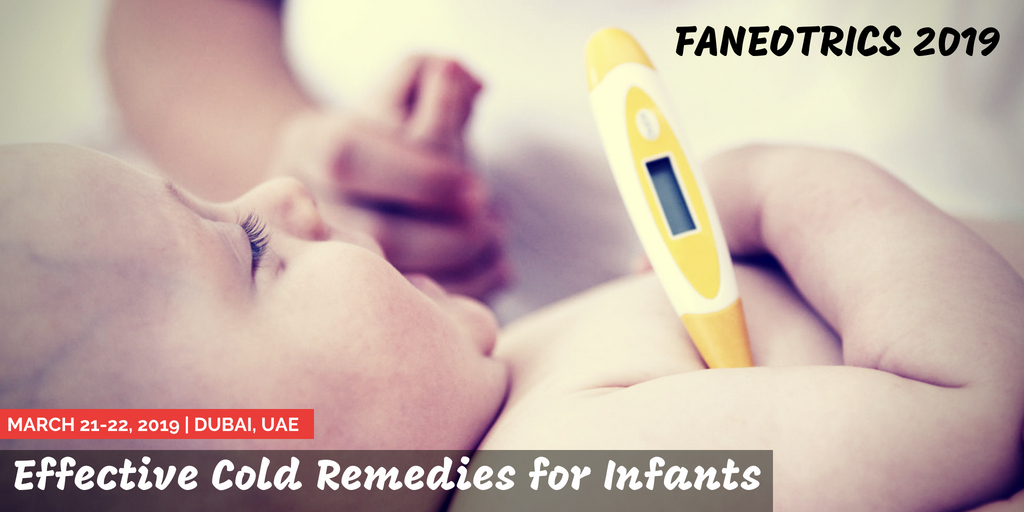
Effective Cold Remedies for Infants and how to treat them


Parents often head straight to the drug from their local pharmacy when their child gets a cold but treating kids with those medicines will be dangerous for the children who are below 6

The Flu is an infection of the nose, throat and lungs caused by the influenza virus. Children aged 2 years to under higher risk of suffering from various complications due to the flu, such as pneumonia. Hence, it is important to know how to cope with a cold on a baby! The common cold is characterized by the conditions of runny nose, sneezing, coughing, and fever. If the baby is experiencing this, the first step that needs to be done is to rest the baby longer. When the baby is rested, the immune system of the body is doing the natural healing process. Indeed, almost all parents will panic and anxious to see the baby developing the disease, even if just a runny nose. However, in fact colds are the common health problems in children and does not cause serious complications.
According to the American Academy of Pediatrics (AAP), children can be exposed to colds as much as 8-10 times in the first 2 years of life. Even in the one-year course the little one can experience 6-8 colds.

When You are thinking to soon provide cures colds baby for the little one, it is worth immediately hold yourself. According to the U. S Food and Drug Administration (FDA), drug runny nose is not required for infants under 2 months.

The same as other types of drugs, cold medications also have side effects that have not been able to face by the body of the baby. With the Doctor’s approval only the child must be given the medicines.


The Flu usually resolves itself within 10 days. To relieve the symptoms that occur during the healing period, here are some ways that you can do.


Nose Drops and a Rubber Suction Snot to a Baby

The baby cannot push the air out of his nose himself at an early age, especially as he is still breastfeeding. Therefore, the nose drops, and a rubber suction snot can be used when the baby has the flu.

Nose drops you can buy at pharmacies or made independently in the following way:
§     Mix 3 teaspoons of salt with 1 teaspoon of baking soda
§     Take half a teaspoon of the mixture and dissolve together in about 120mL of water.

While the it works is as follows
§     Prop the back of the baby's head with oblique position. You can help support him with your hands or with a pillow or towel.
§     Put 2 to 3 drops of saline solution or nasal drops to each nostril of the baby. This solution can thin the mucus in the nose.
§     After dripping a solution of the salt, hold the baby's head remains lifted tilted for about 30 seconds.

Friday, 6 July 2018

Pediatric Hypertension guidelines increases Hypertension prevalence


New clinical guidelines for pediatric hypertension resulted in increased prevalence of hypertension and improved sensitivity in detecting target organ damage among at-risk youth.

A revised classification table for pediatric hypertension has increased the estimated prevalence of elevated blood pressure (BP) in children and adolescents by 20%, new data show.
Further analysis indicate there is a clustering of other risk factors, such as obesity and dyslipidemia, among the youth whose risk is upgraded under the new guidelines, which one expert says is "somewhat reassuring."

Moreover, nearly 6% of children in the study (905 of 15,584) were reclassified upward under the revised guidelines, including 381 who had been considered normotensive by National Heart, Lung, and Blood Institute standards but are now considered to have elevated BP (368 children) or stage 1 levels (13 children) by American Academy of Pediatrics criteria. Further, 470 children previously classified as prehypertensive were reclassified as having stage 1 hypertension, and 54 who had been deemed stage 1 hypertensive were reclassified as stage 2, the authors report.

Patients fasted overnight for a minimum of 10 hours, after which body mass index was calculated, blood pressure was taken, and anthropometric, laboratory, echocardiography, and carotid assessments were performed.

Primary Hypertension
·         Predominant cause of HTN in US children
·         Characteristics include:
o ≥6 years of age; positive family history of HTN;
obesity/overweight
·         Severity of BP elevation is similar between primary and secondary HTN
o   Diastolic HTN predictive of secondary cause
o   Systolic HTN predictive of primary HTN

For more Details mail me at: faneotrics@nursingevents.org | janegrey1111@gmail.com


Friday, 29 June 2018

Tick bites that make people allergic to red meat and increase heart disease risk


 Tick bites that make people allergic to red meat and increase heart disease risk

Lone Star Ticks spreads an allergy to red meat by which this allergy became risk to develop heart disease, according to the study. This is often found to be in southeast regions.  These ticks spread an allergy to a sugar compound called alpha-galactose, which is referred to as an alpha-gal allergy. As this compound is found in mammal meat, people often refer to this as a red meat allergy.

About 26% of the group was perceptive to alpha-gal. The patients who is suffering from this disease will be having an average of about 30% more plaque built up around their hearts, which will narrow arteries and lead to a heart attack or stroke. The plaque which are found in the patients increase in the heart disease.
This means that a patient who is suffering from alpha-gal is significantly more likely to develop heart disease, even if they don't have allergic reactions after eating meat.

Large percent of human population develops blood antibodies to this allergen which shows less symptoms around 20 percent among the population. The Lone Star tick was found in red meat, when it bites it sensitizes the allergen and produce allergy. The allergy increases based on the area where the ticks were found in large numbers for example Southeastern United States, but also found in some other areas like Long Island, New York. These allergens might even cause change in immunological responses which might result in the buildup of plaque and blocks the artery.

Signs and symptoms


The symptoms of this allergy are same kind of other allergies. But allergic reactions can vary greatly on a case-by-case basis.

Alpha-gal allergy can cause:


·         runny nose or congestion

·         diarrhea

·         nausea

·         sneezing

·         hives

·         asthma

·         anaphylaxis


Friday, 15 June 2018

Pediatric Cardiology


Pediatric Cardiologists are specialists in treating heart problems in children, for those who might need heart surgery, pediatric cardiologists work closely with surgeons to determine the best treatments.
There are several heart conditions which can affect children. Some are structural differences they are born with. Others involve the electrical system that controls the heartbeat.


Types of Heart Disease in Children
Many different types of heart problems can affect children. Some of them are discussed below

      1.  Congenital heart disease

Congenital heart disease (CHD) is a type of heart disease that children are born with which is usually caused by heart defects that are present at birth.

2.  Atherosclerosis

Atherosclerosis is the term which is to describe the buildup of fat and cholesterol-filled plaques inside arteries. As there is an increase in buildup, the arteries become stiffened and narrowed, which gains the risk of blood clots and heart attacks. It takes many years for atherosclerosis to develop. It’s unusual for children or teenagers to suffer from it.

      3.  Arrhythmias

An arrhythmia is an abnormal rhythm of the heart. This can cause the heart to pump less efficiently.
There are many other different types of arrhythmias may occur in children, including:
•           Fast heart rate (tachycardia)
•           Slow heart rate (bradycardia)
•           Long Q-T Syndrome (LQTS)
•           Wolff-Parkinson-White syndrome (WPW syndrome)

4.  Kawasaki disease

Kawasaki disease is a rare disease which can cause inflammations in the blood vessels in their hands, feet, mouth, lips, and throat, fever and swelling in the lymph nodes. Children who are suffering from this disease are often require lifelong follow-up appointments to keep an eye on heart health.

5.  Heart murmurs

A heart murmur is a “whooshing” sound which is made by blood circulating through the heart’s chambers or valves. Sometimes it may signal an underlying cardiovascular problem.
Heart murmurs might be caused by CHDs, fever, or anemia. If a doctor hears an abnormal heart murmur in a child, they will make tests to be sure that the heart is healthy.

Thursday, 7 June 2018

28th World Neonatal, Pediatric and Family Medicine Conference


28th World Neonatal, Pediatric and Family Medicine Conference (Faneotrics 2019)
March 21-22, 2019 | Dubai, UAE


About Conference

ME Conferences is Organizing a “28th World Neonatal, Pediatrics and Family Medicine Conference 2019” going to be held during March 21-22, 2019 at Dubai, UAE with the innovative theme “Leading medications and essential care of Neotrics”. This innovative conference discusses the directions for Pediatric Nutrition, surgery and neonatal care with advanced medical and family medicine in this fast moving and developing science and technology.

Why Attend?

Faneotrics 2019 Conference aims in gathering worldwide experts and eminent people to share and discuss their novel ideas and research work so that it would be beneficial for children suffering from various infections and disorders. The objective is to gather audience from everywhere throughout the world to present current research and to disseminate the new trends in the field of Pediatrics, Neonatology and Family medicine.

Conference Highlights
  •          Bio psychosocial Approach
  •          Neonatal Nursing
  •          Clinical Pediatrics
  •          Family Medicine and Nourishment
  •          Physical Assessment of Neonates
  •          Gastrointestinal and Urogenital Complications
  •          Hematology and Oncology
  •          Neurology and Psychology
  •          Cardiology and Cardiac Disorders
  •          Endocrinology Disorders
  •          Radiotherapy and Imaging
  •          Genetics in Pediatrics
  •          Obstetrics and Women health
  •          Premature Birth
  •          Pediatric Surgery and Disease Treatment
  •          Neonatal and Adolescent Medicine
  •          Food Allergies and Infections
  •          Vaccines and Immunization
  •          Primary Care Ethics

 Benefits
  •  Accepted abstracts will be published in Journal of Clinical Pediatric Surgery Journal of  Clinical Pediatrics Nutrition, Clinical Pediatric Emergency Medicine and Journal of  Nursing and Health Studies and provided with DOI
  • Global networking: In transferring and exchanging Ideas
  • A Unique Opportunity for Advertisers and Sponsors at this International event.
See more at: https://neonatal.pediatricsconferences.com

For any queries mail me at: janegrey1111@gmail.com


Most supplements for children do not contain enough vitamin-D

Vitamins  are important for the well being of an individual as they help in smooth functioning of several body systems. Low levels...